
2026-10-12 ·
Preparing Your Ogden Basement for Iowa's Spring Thaw
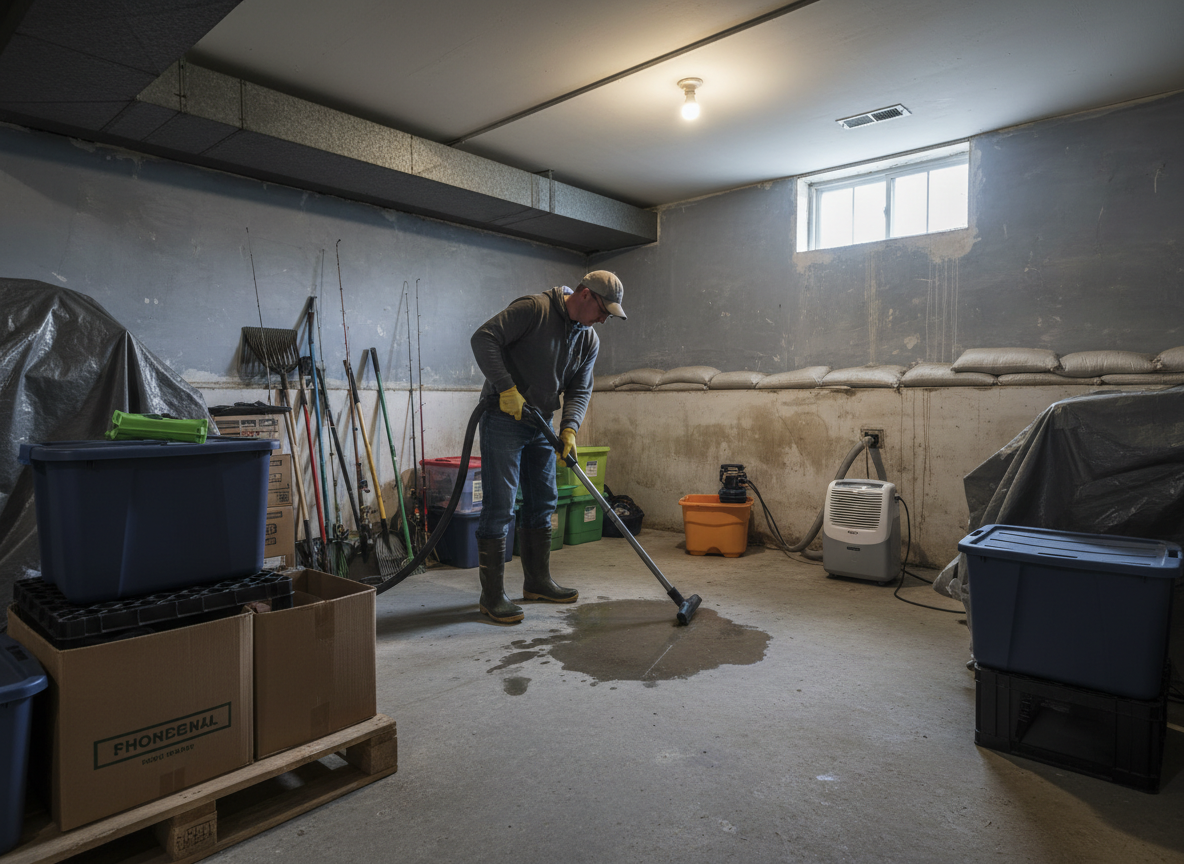
Preparing your Ogden basement for Iowa's spring thaw primarily involves ensuring your sump pump is fully functional, clearing exterior drainage paths, and inspecting your foundation for vulnerabilities. The ground in and around Ogden, IA, including areas near the Ogden City Park and the Boone River, often remains frozen deep into early spring. When the accumulated snow and ice begin to melt rapidly, this water has nowhere to go but over the still-frozen ground, increasing the hydrostatic pressure against your basement walls and foundation. This rapid thaw can quickly overwhelm even robust drainage systems, leading to water seepage or even significant flooding if precautions aren't taken.
Inspecting Your Sump Pump System
Your sump pump is the first line of defense against spring thaw in Ogden, IA. Before the major melt, it's crucial to perform a thorough inspection. Start by physically removing any debris from the sump pit; leaves, dirt, and even small stones can accumulate over winter and clog the pump's intake. Then, test the pump by pouring a 5-gallon bucket of water into the pit. The pump should activate, efficiently discharge the water, and then shut off. Listen for any unusual noises, like grinding or humming, which could indicate a failing motor or impeller. Ensure the discharge pipe is clear and directed away from your foundation, ideally at least 10 feet from the house. A common issue we see in older homes around the Ogden, IA area is discharge pipes that empty too close to the foundation, allowing water to simply seep back into the ground and potentially back into the basement. If your sump pump is showing signs of age or malfunction, addressing it now can prevent an emergency later. For issues beyond a simple cleaning, consider professional help to avoid a Sump Pump Failure Water Cleanup scenario when the thaw hits.
Exterior Drainage and Gutter Maintenance
Effective exterior drainage is paramount for diverting meltwater away from your home's foundation. Begin by cleaning all gutters and downspouts. Over the fall and winter, these can become packed with leaves, twigs, and ice, preventing proper water flow. Clogged gutters will cause water to overflow directly against your foundation, where it can easily find its way into your basement. Extend downspouts at least 5–6 feet away from your home's perimeter, ensuring they direct water to a lower grade. Check for proper grading around your foundation; the ground should slope away from your house at a rate of at least 6 inches over the first 10 feet. If you notice areas where water pools close to your foundation, especially common in the flatter terrains found in some parts of Boone County, consider adding soil to create a positive slope. This simple step can dramatically reduce the hydrostatic pressure against your basement walls.
Foundation and Wall Inspections
A thorough inspection of your basement's interior and exterior foundation walls can reveal potential entry points for meltwater. Inside, look for any cracks in the foundation walls or floor, even hairline ones. Water can exploit the smallest openings. Pay close attention to areas where pipes enter the foundation, as these are common spots for leaks. On the exterior, once the snow has receded, examine the foundation for visible cracks, crumbling mortar, or gaps. The freeze-thaw cycles common to Iowa winters can exacerbate existing damage or create new vulnerabilities. If you have window wells, ensure they are clean and have proper drainage; a clogged window well can quickly become a mini-pool that leaks into your basement. Addressing these issues proactively, perhaps with a sealant or professional repair, can prevent minor seepage from becoming a major Basement Water Seepage Remediation project.
Managing Interior Humidity and Belongings
Even with preventative measures, the increased ground moisture during spring thaw can elevate humidity levels in your basement. High humidity can foster mold growth and damage belongings. Consider using a dehumidifier set to maintain relative humidity between 30% and 50%. This is especially important for finished basements or those used for storage. Elevate valuable items off the floor using shelving units or pallets, particularly in areas prone to dampness. Store sensitive documents and electronics in waterproof containers. If you have a finished basement, inspect carpets and drywall for any signs of dampness or musty odors, which are early indicators of moisture intrusion. Being prepared to move items quickly can minimize damage if water does enter. For more detailed steps to take if water does appear, you might find our article on DIY Steps to Take Before Calling for Emergency Basement Water Removal in Ogden helpful.
Emergency Preparedness
Despite all precautions, sometimes nature has other plans, especially with the unpredictable weather patterns in Ogden, IA. Have a plan in place for a basement water emergency. Know where your main water shut-off valve is located. Keep a wet/dry vacuum, old towels, and buckets readily accessible. If you experience significant water intrusion, especially from flash thaws or heavy spring rains, know who to call. Prompt action is critical to minimize damage and prevent long-term issues like mold. For significant flooding, professional Emergency Basement Water Removal is often necessary to ensure thorough drying and prevent secondary damage. Being prepared can save you considerable stress and expense when the spring thaw truly hits.